Smart Hydration Strategies for Enhancing Athletic Performance

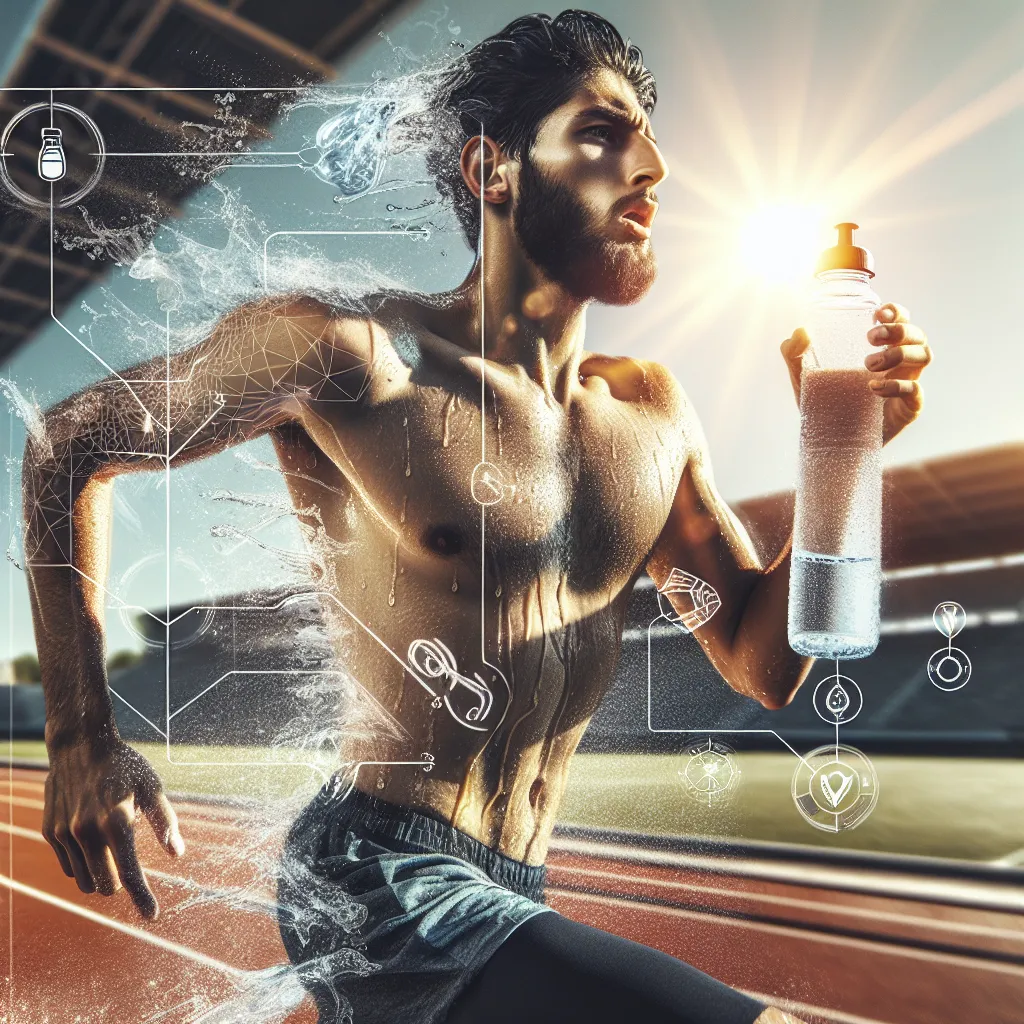
Imagine pushing through the final stretch of a tough workout or the decisive moment of a championship game—only to feel your energy drop or your focus fade. For athletes, hydration isn’t just about quenching thirst—it’s a performance essential. Recent research emphasizes that when and what you drink can influence your physical endurance and mental sharpness. In this article, we break down hydration science into actionable insights that help athletes tackle fatigue, cramps, and cognitive fog head-on.
The Timing Factor: When to Hydrate
Before Exercise: Laying the Groundwork
Starting hydrated is like showing up to the race with a full tank. Even a 2% drop in body mass from dehydration can impair both mental and physical performance [1]. That’s why pre-session hydration is critical—it preps your muscles and sharpens your mind.
During Exercise: Listen to Your Body
The debate between drinking on a schedule vs. drinking when thirsty is ongoing. Current evidence favors tuning in to your body’s thirst signals [2]. Whether you're hiking a mountain trail or sprinting on the field, staying aware of dry mouth or sweat reduction helps you hydrate effectively—without overdoing it.
After Exercise: Speedy Recovery
Post-workout hydration can make or break your recovery. Aim to replace 100%–150% of the fluids lost through sweat [3]. A practical method? Weigh yourself before and after training—each pound lost is roughly 16 ounces (0.5 liters) of fluid to replace.
What’s in Your Drink? The Role of Composition
Electrolytes: Muscle and Nerve MVPs
Electrolytes like sodium, potassium, magnesium, and calcium help regulate muscle contractions and nerve signals [4]. A shortage can lead to cramps, fatigue, or worse. Including an electrolyte mix in your hydration plan helps maintain that critical balance.
Carbohydrates: Fuel That Lasts
Adding carbohydrates to your fluids during extended workouts provides sustained energy and stabilizes blood glucose [5]. Whether it’s a sports drink or a DIY mix (water + fruit juice), this combo can help you stay focused and fueled through high-intensity performance.
Hydration + Cognitive Training = Next-Level Focus
Hydration supports more than just your muscles—it fuels your mind. Staying well-hydrated improves attention, decision-making, and focus under pressure [7][8]. Layer on stress-reduction strategies like deep breathing or visualization, and you’re not just physically ready—you’re mentally dialed in [9].
Actionable Tips: Make Smart Hydration a Habit
-
Pre-Game Hydration Check: Start hydrating early. Monitor pale urine as an indicator [6]—think of it as checking your fuel gauge before the drive.
-
In-Workout Self-Regulation: Let thirst guide you. Sip regularly but avoid overhydrating—listen to your body [2].
-
Balance Your Beverage: Look for drinks that include both electrolytes and carbs. This keeps muscles firing and energy levels stable [4][5].
-
Track Your Sweat Loss: Use pre/post-exercise body weight to calculate how much fluid you need to replenish [6].
-
Pair with Mental Training: Combine hydration with mindfulness practices or cognitive drills to boost mental resilience [7][8][9].
Conclusion
Hydration is the silent MVP of athletic performance. Timing, drink composition, and cognitive pairing form the trio that can help athletes avoid fatigue, maintain focus, and recover faster. Whether you’re hitting a new PR or grinding through a tough practice, smart hydration strategies will keep both your body and mind in top shape.
References
[1] Wittbrodt, M. T., & Millard-Stafford, M. (2018). Dehydration Impairs Cognitive Performance: A Meta-analysis. PubMed. https://pubmed.ncbi.nlm.nih.gov/29933347/
[2] Backes, T. P., & Fitzgerald, P. I. (2016). Voluntary versus Dictated Drinking during Exercise. PMC. https://pmc.ncbi.nlm.nih.gov/articles/PMC4993146/
[3] McCartney, D., et al. (2017). Fluid Intake Following Dehydration and Performance. SpringerLink. https://link.springer.com/article/10.1186/s40798-017-0079-y
[4] Wang, L., Meng, Q., & Su, C. H. (2024). From Food Supplements to Functional Foods: Emerging Perspectives on Post-Exercise Recovery Nutrition. Nutrients. https://www.mdpi.com/journal/nutrients
[5] Gruska, N., et al. (2024). Enhancing Performance in Young Athletes: A Systematic Review of Acute Supplementation Effects. Nutrients. https://www.mdpi.com/journal/nutrients
[6] National Athletic Trainers’ Association (NATA) guidelines on fluid replacement strategies. https://pmc.ncbi.nlm.nih.gov/articles/PMC5634236/
[7] Cognitive Behavioral Strategies in Athletic Performance Enhancement. https://pubmed.ncbi.nlm.nih.gov/7567674/
[8] The Potential Role for Cognitive Training in Sport. https://pmc.ncbi.nlm.nih.gov/articles/PMC6037849/
[9] Stress and Cognitive Functioning in Sport. https://pubmed.ncbi.nlm.nih.gov/2659817/