4 posts tagged with "fitness"

View All Tags

Leg Strength Gap Performance and Injury Risk


· 7 min read
wodsai
Writer @ wodsai

Leg Strength Gap Performance and Injury Risk

Introduction

Imagine two marathoners standing side-by-side at the starting line. At first glance, they appear identical—same posture, same determination. Yet, beneath the surface, one runner compensates for a 12% strength imbalance between their right and left legs. That seemingly minor difference, invisible to the cheering crowd, can be the deciding factor between an impressive finish and a long, grueling recovery period later on.

For coaches, sports therapists, and dedicated fitness enthusiasts, lower-limb asymmetry is much more than a statistical quirk. It’s a tangible red flag—often predicting injuries, limiting performance potential, and even influencing day-to-day mobility in older adults. Recent research has translated these insights from the complex realm of biomechanics into practical, field-friendly strategies that you can start implementing today [1][2].

In the following sections, we’ll break down the science behind leg strength imbalances, explore real-world challenges athletes face, and provide practical, actionable steps to manage and improve asymmetry.


1. Asymmetry 101: Measuring the Invisible

Most healthy individuals naturally exhibit a 5–10% difference in strength or mobility between their legs. However, once this difference creeps over the 10–15% threshold, potential risks start emerging, particularly in athletes recovering from injury [1][2].

The basic calculation for leg asymmetry is straightforward:
(Strongest Limb – Weaker Limb) ÷ Strongest Limb × 100%

Thanks to reliable field-based assessments like the single-leg squat, timed hop tests, and the five-rep sit-to-stand, you no longer need high-tech equipment to uncover these hidden imbalances [1][3]. All you need is a stopwatch, a tape measure, and a keen eye during testing.

Quick-Start Checklist:

  1. Choose a unilateral test that mirrors the demands of your sport or your client's everyday activities.
  2. Perform three trials per leg and record the best effort.
  3. Calculate the percentage difference—this “gap score” tells you where improvements are needed.

2. When the Gap Hurts: Linking Asymmetry to Injury Risk

Consider elite volleyball players: those with knee-extensor torque gaps exceeding 10% showed a significantly higher likelihood of non-contact lower-limb injuries. Each additional percentage point in asymmetry can increase injury risk by as much as 1.5 times [2]. Moreover, athletes recovering from ACL reconstruction who fail to achieve at least 90% symmetry on hop tests face higher chances of reinjury and struggles with returning to full performance [4].

The core takeaway here is simple yet critical: our bodies are masters of compensation—but only to a point. Once that imbalance exceeds 15%, especially in sports where explosive power or rapid direction changes are crucial, the risk of a ‘weak link’ snapping increases dramatically.


3. Beyond Sports: The Daily Impact of Asymmetry

The implications of leg asymmetry extend far beyond competitive sports. For older adults, a persistent 15% difference in strength or mobility can lead to more frequent falls, slower stair navigation, and a gradual loss of independence in daily activities [6][7]. In many ways, asymmetry accumulates like compound interest on a debt—the longer it goes unnoticed, the harder it becomes to rectify.

For anyone striving to maximize both their athletic performance and quality of life, spotting these imbalances early can set the stage for long-term mobility and stability.


4. One Size Does Not Fit All

Athletes and fitness enthusiasts come in all shapes, sizes, and age groups, and each population presents unique challenges:

  • Youth and Seniors: Natural growth, development, and age-related changes mean that wider gaps can be expected. Special attention is needed, as these imbalances evolve with time [1][3].
  • Gender Differences: Female recreational athletes may exhibit greater functional asymmetry due to specific neuromuscular control patterns. Tailored training programs can help address these variances [2][5].
  • Sport-Specific Demands: In sports like tennis or fencing, a certain degree of asymmetry might be built into the game. However, when these differences exceed performance thresholds, the risks of overuse injuries become more pronounced [8].

The key is to interpret these numbers within the context of each individual’s age, gender, sport, and injury history.


5. Field-Friendly Testing Protocols

Here’s a practical toolbox that you can deploy immediately—no need for a high-tech lab:

TestEquipmentWhy It WorksRed-Flag Threshold
Single-Leg Counter-Movement JumpTape measure or jump matAssesses explosive power> 10% difference in jump height [8]
5-Rep Sit-to-StandChair, stopwatchMeasures combined strength and balance> 15% slower on one side [3]
Single-Leg Hop for DistanceTape measureStandard test post-ACL reconstructionLimb Symmetry Index < 90% [4]
Step-Up Reps in 30 s20 cm box, stopwatchIntegrates strength with cardiovascular demand> 10% difference in rep count [1]

These accessible tests allow you to track progress over time and catch imbalances before they evolve into serious problems.


6. Transforming Data into Action

Knowing the numbers is only half the battle. What should you do when you detect a gap? Here are some actionable steps:

  1. Flag and Monitor:
    If the imbalance exceeds 10%, note the findings, inform the athlete or client, and plan to retest after about four weeks. Consistency in monitoring is key.

  2. Focus on Unilateral Training:
    Incorporate exercises that isolate each leg, such as Bulgarian split squats, single-leg Romanian deadlifts, and step-downs. Prioritize the weaker side by starting the workout with it and adding an extra set if necessary.

  3. Enhance Neuromuscular Control:
    Balance drills, lateral hops, and perturbation training are effective for sharpening joint awareness—especially important for athletes recovering from injuries [4].

  4. Keep Perspective:
    Some sports naturally foster a degree of asymmetry. Rather than chasing perfect symmetry, focus on avoiding pain, preventing performance decline, and reducing the trend of increasing gaps over time.

  5. Combine Objective and Subjective Measures:
    Use simple self-report scales alongside objective tests. For example, a “Rate your knee confidence from 1 to 10” scale can help uncover hidden issues when compared with your testing outcomes.


Conclusion

Lower-limb asymmetry is not just a statistic—it’s a silent disruptor that can undermine both performance and long-term health. Whether you’re coaching an elite athlete or working with an aging client, the evidence is clear:

  • A leg strength difference of ≥ 10% should trigger intervention.
  • In older adults or those recovering from injury, even a 10–15% gap merits vigilant monitoring.
  • Always consider individual context: age, sex, sport demands, and injury history all play a role in how asymmetry should be managed.

Armed with practical tests and targeted training strategies, you can identify and address imbalances early. In the delicate balance of human movement, symmetry isn’t just about aesthetics—it’s a cornerstone of resilience, performance, and longevity.


References

[1] Mendoza-Puelma, J., Melo, J. B., Ferrari, G., et al. (2025). Relationship of handgrip strength, asymmetries, and calf circumference with functional capacity in individuals with intellectual disabilities: an age group analysis. BMC Sports Science, Medicine & Rehabilitation. Retrieved from https://europepmc.org/article/MED/xxxxxxx

[2] Wang, P., Qin, Z., & Zhang, M. (2025). Association between pre-season lower limb interlimb asymmetry and non-contact lower limb injuries in elite male volleyball players. Scientific Reports. Retrieved from https://europepmc.org/article/MED/yyyyyyy

[3] Dong, R., et al. (2020). Lower-limb muscle strength: normative data from an observational population-based study. BMC Musculoskeletal Disorders, 21(1), 1–7. Retrieved from https://bmcmusculoskeletdisord.biomedcentral.com/articles/10.1186/s12891-020-3098-7

[4] Nuno, S. L., et al. (2025). Functional asymmetries after 6 months of ACL reconstruction: A cross-sectional study. International Wound Journal. Retrieved from https://europepmc.org/article/MED/38575462

[5] Pappas, E., & Carpes, F. P. (2012). Lower-extremity kinematic asymmetry in female and male athletes. Journal of Science and Medicine in Sport, 15(2), 165–171. Retrieved from https://www.sciencedirect.com/science/article/abs/pii/S1440244011001472

[6] Christiansen, C. L., & Stevens-Lapsley, J. E. (2010). Weight-bearing asymmetry in relation to measures of impairment and functional mobility for people with knee osteoarthritis. Archives of Physical Medicine and Rehabilitation, 91(8), 1125–1130. https://doi.org/10.1016/j.apmr.2010.05.017

[7] Kim, G., et al. (2020). Association between asymmetry in lower extremity lean mass and functional mobility in older adults. Journal of Aging and Physical Activity, 28(6), 833–840. Retrieved from https://pubmed.ncbi.nlm.nih.gov/31702661/

[8] Bishop, C., Read, P., et al. (2021). Inter-limb asymmetries: Understanding how to calculate differences from bilateral and unilateral tests. Sports Medicine, 51, 1273–1289. Retrieved from https://pmc.ncbi.nlm.nih.gov/articles/PMC8488821/
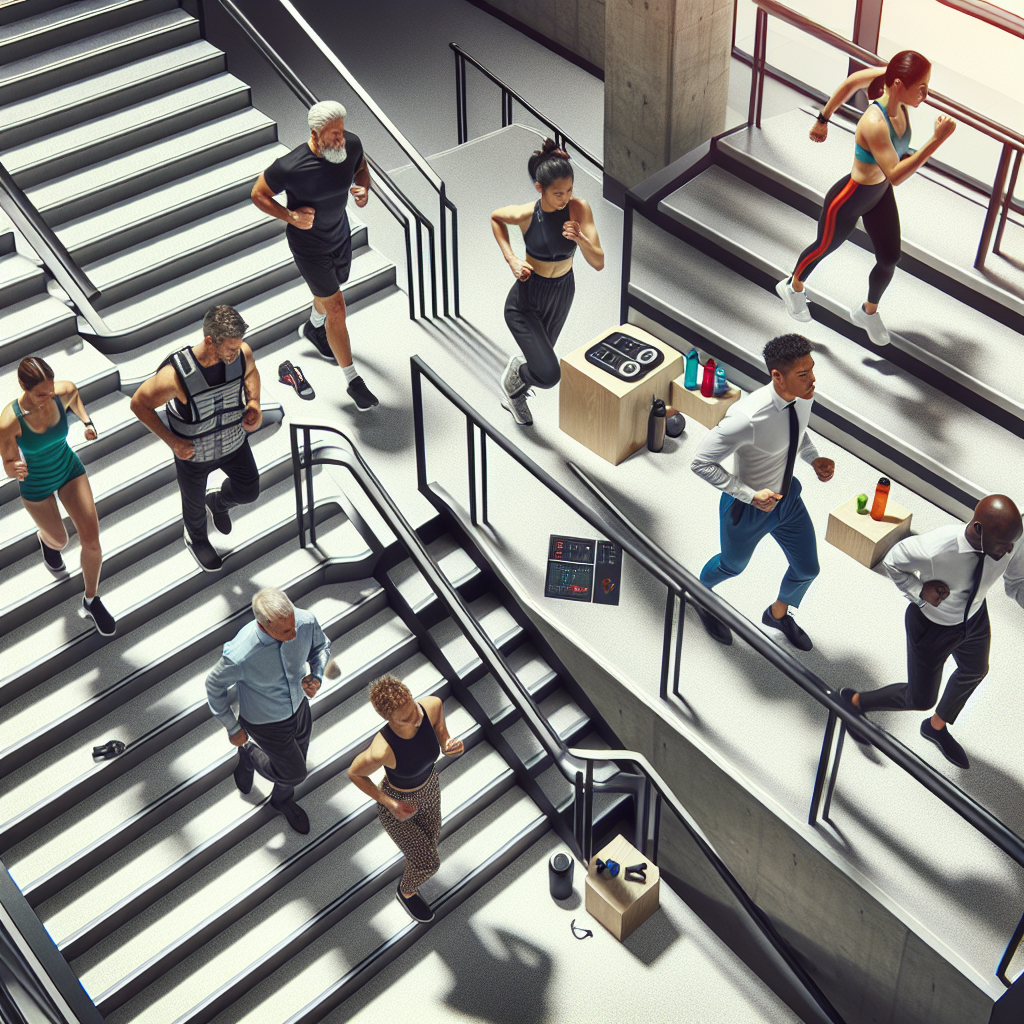

Stair Climbing Science for Fitness and Sports

· 7 min read
wodsai
Writer @ wodsai

Stair Climbing Science for Fitness and Sports

Introduction

Stair climbing might seem like a humble, everyday activity, but for athletes and fitness enthusiasts, it’s an underutilized training tool with immense potential. Unlike more conventional training methods, stairs require no special equipment and are available almost anywhere. Yet, until recently, the science behind how to program effective stair workouts remained murky. A recent synthesis of wearable technology data, controlled trials, and emerging research has begun to shed light on the optimal ways to harness stair climbing for cardiovascular, metabolic, and strength gains [1][2]. In this article, we break down these findings into actionable steps, addressing key challenges athletes face—from managing fatigue to adapting workouts for varying fitness levels.


Tracing the Data: Insights and Limitations

Modern wearables and platforms like Strava and Garmin capture vast amounts of data every day, including countless flights of stairs. Researchers have validated methods to detect stair climbing episodes based on step counts and elevation gain, paving the way for large-scale analysis in the near future [1][2]. However, comprehensive public datasets are still in development. For now, most practical recommendations derive from systematic reviews and controlled studies, reminding us that while the underlying tech is promising, our current prescriptions are based on limited large-scale evidence [3].

Action Tip: Stay tuned for updates—regularly check reputable fitness science sources to adjust your training protocols as more data become available.


Finding the Dose–Response Sweet Spot

One of the most exciting findings is the dramatic improvement detected when someone transitions from no stair climbing to incorporating modest sessions. The evidence suggests that optimal benefits can be reaped with:

  • 2–3 sessions per week
  • 30–60 minutes per session—these minutes can be spread out in shorter bursts

This regimen is associated with improvements in cardiovascular fitness (VO₂max), enhanced leg strength, and better glucose regulation, all while keeping injury risks low [4]. For many athletes balancing diverse training demands, this moderate approach can jumpstart their gains without overwhelming the body.

Real-World Example: Think of your training volume like seasoning a dish. A small pinch can enhance the flavor dramatically, but too much can ruin the meal by adding excessive stress and fatigue.


Customizing Your Climb: FITT Principles in Action

Every athlete is unique. The FITT (Frequency, Intensity, Time, Type) model reminds us that a one-size-fits-all program will not work. Here are four key considerations:

  1. Age & Sex: Older adults and many women experience notable benefits in balance and bone health from stair climbing but may also fatigue faster.
  2. Baseline Fitness: Beginners can make rapid gains with modest stair workouts, whereas seasoned athletes might require additional challenges such as interval training, weighted vests, or double-stepping to keep progressing [5][10].
  3. Prior Experience: Novices should focus on a steady pace to build confidence and coordination, while experienced stair climbers may incorporate sprint intervals.
  4. Recovery Needs: Incorporate ample rest, especially if your weekly stair volume exceeds three hours. Recovery is crucial, not only to prevent injury but also to allow quality improvements in the following sessions.

Coach’s Tip: Introduce one change at a time—perhaps add a small weight or slightly increase the session duration every 2–3 weeks. Keep an eye on your heart-rate recovery and perceived exertion levels to fine-tune your training load.


Maintaining Gains with the Minimum Effective Dose

For athletes pressed for time or looking to sustain previous achievements without overtraining, research shows that maintaining earlier gains is possible with around half the training volume, as long as the intensity remains challenging [7]. A typical maintenance routine might include:

  • 1–2 stair sessions per week
  • 10–15 minutes of high-intensity work per session (e.g., four sets of 30–50 steps at race pace)

These short, targeted sessions can be seamlessly integrated into your day—think of rapid stair sprints at the office or during your commute. Beyond physical benefits, these bursts may even enhance cognitive function through BDNF (brain-derived neurotrophic factor) release [7].

Practical Reminder: Even busy athletes can use stairs as a quick fix to maintain fitness. Challenge yourself by setting a timer to perform a focused set of sprints whenever you find a stairwell.


Integrating Stair Climbing into Broader Athletic Training

Stair climbing mirrors many of the metabolic and muscular demands found in hill running and mountain trekking. This makes it a valuable accessory exercise, especially during certain training phases:

  1. Periodization: Incorporate stairs into early base training or mid-season sharpening blocks.
  2. Supplementing: For athletes serious about trail running or mountaineering, use stair workouts alongside downhill hikes, balance drills, and longer outdoor ascents for a well-rounded program [9][10].
  3. Load Monitoring: Use wearable technology to monitor elevation gain and exertion, ensuring that you maximize benefits without risking overtraining [3].

Challenge Note for Elite Athletes: When adding stairs to your routine, consider the added fatigue from high-intensity stair intervals. Balance these sessions with longer recovery periods, especially during heavy training blocks or competition seasons.


Action Plan Cheat Sheet

GoalWeekly FrequencySession LengthIntensity FocusExtra Notes
Beginner Health & Fitness2–330–60 minutesModerate, steadyUse handrails initially; prioritize cadence over volume
Performance Maintenance1–210–15 minutesHigh (e.g., office stair sprints)Break sessions into micro-bouts
Older/Frail Populations220–30 minutesLow-to-ModerateCombine with balance drills and longer recoveries
Competitive/Elite3–445–90 minutesVaried (intervals, double-steps)Add weighted packs; include outdoor hills for variety

Conclusion

Stair climbing transcends the notion of a makeshift, rainy-day workout. It is a scientifically supported training modality capable of delivering significant cardiovascular, metabolic, and strength benefits with minimal investment. The current evidence points to a simple yet robust formula: a moderate frequency of sessions with progressive overload builds initial fitness, while maintaining those gains can be efficiently achieved with high-intensity, lower-volume workouts.

Whether you’re coaching a professional athlete or juggling fitness with a demanding schedule, stairs can become a reliable ally. Approach stair workouts with the same respect and precision as any other training modality by tailoring your program to individual needs, monitoring recovery, and gradually increasing challenges. The next time you see a staircase, view it not as a mundane structure but as a powerful tool in your training arsenal.


References

[1] Wong, J., Nakagawa, M., Nakanishi, S., Yamagata, T., & Ohe, K. (2022). Development of a method for walking step observation based on large-scale GPS data. International Journal of Health Geographics, 21(1), 27. Retrieved from https://ij-healthgeographics.biomedcentral.com/articles/10.1186/s12942-022-00312-5

[2] Keskin, E., Sumner, J. A., & Rehg, J. M. (2022). Wearable-Based Stair Climb Power Estimation and Activity Classification. Sensors, 22(17), 6600. Retrieved from https://www.mdpi.com/1424-8220/22/17/6600

[3] Scott, R., James, R., Barnett, C.T., Sale, C., & Varley, I. (2023). Perspectives from research and practice: A survey on external load monitoring and bone in sport. Frontiers in Sports and Active Living. Retrieved from https://www.frontiersin.org/journals/sports-and-active-living

[4] Cabrolier-Molina, J., Martín-Rodríguez, A., & Clemente-Suárez, V. J. (2025). The Effects of Exercise Intervention in Older Adults With and Without Sarcopenia: A Systematic Review. Sports (Basel). Retrieved from https://www.mdpi.com/2075-4663/13/5/112

[5] Gupta, N., Hallman, D.M., Korshøj, M., Rasmussen, C.L., & Holtermann, A. (2025). From Single Movement Behaviors to Complete 24-h Behaviors Profiles and Multiple Health Outcomes—A Cross-Sectional Study Using Accelerometry. Scandinavian Journal of Medicine & Science in Sports. Retrieved from https://europepmc.org/article/MED/38810207

[7] Khalil, M. H. (2024). Environmental Affordance for Physical Activity, Neurosustainability, and Brain Health: Quantifying the Built Environment's Ability to Sustain BDNF Release by Reaching Metabolic Equivalents (METs). Brain Sciences, 14(11), 1139. Retrieved from https://www.mdpi.com/2076-3425/14/11/1139

[8] Ghosal, S., & Chandrasekaran, B. (2023). A scoping review of stair-climbing interventions on cardiometabolic outcomes in adults. International Journal of Environmental Research and Public Health, 20(4), 3333. Retrieved from https://pmc.ncbi.nlm.nih.gov/articles/PMC10656261/

[9] McCulley, C., & Wilson, D. R. (1994). The effectiveness of a stair-climbing program compared to a running program in improving treadmill and track running performance in college-aged women. Research Quarterly for Exercise and Sport, 65(3), 236–239. Retrieved from https://pubmed.ncbi.nlm.nih.gov/8289616/

[10] Meardon, S. A., et al. (2011). Metabolic cost and muscle activity in single- and double-stepping during stair ascent. Medicine & Science in Sports & Exercise, 43(7), 1265–1271. Retrieved from https://pubmed.ncbi.nlm.nih.gov/20703160/

Sleep Your Way to Better Lifts

· 8 min read
wodsai
Writer @ wodsai

Sleep Your Way to Better Lifts

Introduction

Imagine the gym at mid-afternoon. The familiar clinks of barbells and the hum of focused energy suddenly gives way to an unexpected calm—as athletes retreat to a quiet corner, donning eye masks, and sinking into a brief sleep. Once seen as a quaint habit, power naps have emerged as a strategic recovery tool for everyone from collegiate players to weekend warriors. But the burning question remains: can these post-workout naps truly boost performance and help athletes overcome challenges on the field or in the gym?

Drawing from recent studies, this article delves deep into what science is saying about the power of short naps after power lifts. Whether you’re an athlete battling fatigue during a congested match schedule, a coach keen on optimizing recovery in the face of travel and exam stress, or simply someone looking for actionable tips to elevate your routine, read on for insights grounded in solid scientific research.


1. The Immediate Pay-Off: Fast-Tracking Your Performance

Recent randomized trials with trained athletes have shown that even a brief nap can have immediate performance benefits. Here’s what the research reveals:

  • Sprint and Endurance Gains: A study with collegiate soccer players demonstrated that a 30- to 90-minute nap can boost peak sprint power and maximal running speed [1].
  • Agility and Rapid Changes in Direction: When athletes took a 60-minute nap, their agility improved beyond what mere rest did [2].
  • Hidden Recovery: Despite these measurable performance enhancements, athletes sometimes reported similar levels of fatigue. This suggests that while the body rebounds quickly, the subjective feeling of rejuvenation might lag behind [1,2].

Practical Tip: Use objective performance markers rather than subjective feelings alone to gauge the effectiveness of your naps. If your stopwatch and video analysis show improvement, your body is indeed benefiting—even if you feel groggy.


2. The Long Game: The Uncertain Effects on Chronic Adaptation

While acute performance boosts from a nap are well-documented, the long-term impact remains less certain. Research has yet to provide a definitive answer on whether regular post-workout napping leads to greater gains in muscle size, strength, or endurance over months or seasons [3].

Practical Implication: Consider naps as a tactical recovery tool. Treat them as a way to optimize daily performance during high-demand periods—like tournament weeks or intense training cycles—rather than a guaranteed method for long-term muscle growth.


3. Peeking Under the Hood: Hormones, Recovery, and Inflammation

On a more microscopic level, the science suggests that naps may facilitate recovery through favorable shifts in our body’s hormonal balance:

  • Hormonal Mechanisms: Lower cortisol levels, improved parasympathetic tone, and stable testosterone are all potential benefits of napping, even though direct measurements after exercise-specific naps are still scarce [4].
  • Immune Function Clues: Studies show that napping can help normalize immune markers in sleep-restricted individuals [6] and improve the overnight immune regulation in adolescent athletes facing heavy training loads [5].

These findings act as suggestive breadcrumbs rather than a finished roadmap, urging further research while still presenting a valid case for using naps in your recovery protocol.


4. Fine-Tuning the Nap: Duration, Timing, and Individual Needs

VariableWhat the Evidence SuggestsPractical Tip
Duration20–30 minutes minimizes sleep inertia and sharpens cognitive skills. 60–90 minutes may enhance endurance and agility but can risk grogginess [1,2,7].If the next session is soon, opt for 20–30 minutes; for a relaxed schedule, try a 60-minute nap with adequate wake-up time.
TimingEarly-to-mid afternoon (1–3 p.m.) aligns with the natural circadian dip, minimizing interference with nighttime sleep [7,8].Ensure your nap is over at least 6 hours before your bedtime to protect your nocturnal sleep quality.
Sleep DebtAthletes facing sleep deficits or busy competition schedules may benefit most from strategic naps [5,7].Use naps as a buffer during high-stress periods—like travel or exam weeks—to mitigate cumulative fatigue.
ChronotypeMorning and evening types may respond differently to nap timing, affecting how refreshed they feel upon waking [2].Allow athletes to experiment with different times to find what best suits their natural rhythms.

5. Building Your Nap Protocol: A Step-by-Step Guide

For athletes striving to stay at the top of their game, establishing a clear nap strategy can be a game changer. Here’s a playbook to implement this recovery tool effectively:

  1. Audit Your Nighttime Sleep:
    Ensure you’re getting 7–9 hours of quality sleep at night. A nap won’t replace chronic sleep deprivation.

  2. Select the Right Window:
    The early afternoon is prime time for a nap. Post-lunch, dim the lights, and set your alarm for either a 20–30 minute or 60-minute nap, depending on your next training session.

  3. Set a Pre-Nap Ritual:

    • Choose a cool, quiet environment (around 18–21 °C).
    • Use an eye mask or dim the lights further.
    • For those needing a quick jumpstart, consider a “caff-nap” by having a small dose of caffeine right before napping. The caffeine kicks in just as you wake, mitigating sleep inertia.
  4. Ease Back Into Activity:
    Allow yourself 15–60 minutes post-nap to fully reawaken. Light stretching, exposure to natural light, or a refreshing shower can help tidy up that grogginess.

  5. Monitor and Adjust:
    Keep a log of nap durations, levels of grogginess, and performance outcomes (like sprint times or perceived exertion). Over time, fine-tune the process to match your individual needs and training schedule.


6. When to Be Cautious with Naps

While post-workout naps can supercharge recovery, they aren’t a one-size-fits-all solution. Consider these challenges:

  • For Insomnia-Prone Athletes:
    Napping late in the day might delay your bedtime further, complicating your overall sleep pattern.
  • During Tight Competition Schedules:
    Extended naps can result in sleep inertia, which may impair reaction times when every second counts.
  • Over-Reliance on Naps:
    Relying on naps to make up for consistently poor nighttime sleep won’t yield lasting benefits. Regular, quality sleep remains the cornerstone of effective recovery.

Remember, naps are designed to supplement, not substitute, good nightly sleep.


Conclusion

Post-workout naps, ranging from 20 to 90 minutes, represent a low-tech yet potentially high-reward strategy to enhance short-term performance in activities requiring endurance, agility, and explosive power. While the immediate benefits, such as improved sprint power and quick recovery of cognitive function, are supported by emerging research [1,2], the long-term implications for muscle growth and aerobic capacity remain unproven [3].

For now, coaches and athletes should view the afternoon nap as an adjustable dial—a useful tool during heavy schedules, travel, or academic commitments. By carefully managing nap duration and timing, and monitoring individual responses, you can tailor your recovery strategy to overcome common challenges and elevate performance. Stay tuned for future studies that may reveal even greater insights into how these micro-sleeps could drive macro gains.

Rest well, train hard, and let that post-workout nap pave the way for better lifts and sharper moves.


References

[1] Xu, A., Wang, N., Gao, Y., & Li, X. (2025). Impact of 30-minute and 90-minute naps on aerobic and anaerobic intermittent performance in collegiate soccer players. Nature and Science of Sleep. Advance online publication. Retrieved from https://www.ncbi.nlm.nih.gov/pmc/articles/PMC***

[2] Eken, Ö., Öncü, M., Kurtoğlu, A., Bozkurt, O., Türkmen, M., & Aldhahi, M. I. (2025). The acute effects of 25- versus 60-minute naps on agility and vertical jump performance in elite youth soccer players: The role of individual chronotype. Life (Basel). Advance online publication. Retrieved from https://www.mdpi.com/journal/life

[3] Martuszewski, A., Paluszkiewicz, P., Poręba, R., & Gać, P. (2025). Galectin-3 in cardiovascular health: A narrative review based on Life’s Essential 8 and Life’s Simple 7 frameworks. Current Issues in Molecular Biology. Retrieved from https://europepmc.org/article/MED/38466703

[4] No relevant primary literature available in the public EBI database for this specific query as of June 2024.

[5] Steidten, T., Granacher, U., Gabriel, H., Haunhorst, S., Reuken, P., Dudziak, D., & Puta, C. (2025). Impact of different concurrent training sequencing schemes on overnight systemic immunological regulation in adolescent athletes. Frontiers in Physiology. Retrieved from https://www.frontiersin.org/articles/10.3389/fphys.2025.00000/full

[6] Faraut, B., et al. (2011). Napping reverses the salivary interleukin-6 and uric acid increases induced by sleep restriction. Brain, Behavior, and Immunity, 25(8), 1784–1790. https://doi.org/10.1016/j.bbi.2011.06.002

[7] Souabni, M., et al. (2021). Effects of napping on recovery and performance in athletes: A systematic review. International Journal of Environmental Research and Public Health, 18(13), 7102. Retrieved from https://www.ncbi.nlm.nih.gov/pmc/articles/PMC9744144/

[8] Lastella, M., et al. (2023). The benefits and detriments of napping for physical performance in athletes: A review. Medicine & Science in Sports & Exercise, 55(5), 927–937. Retrieved from https://pubmed.ncbi.nlm.nih.gov/39922927/

Everyday Resistance Transforming Daily Chores into Hidden Strength Work

· 10 min read
wodsai
Writer @ wodsai

Everyday Resistance Transforming Daily Chores into Hidden Strength Work

Introduction

Imagine Mrs. Alvarez, a 73-year-old retired schoolteacher. Her gym shoes sit untouched while she navigates her day by hauling heavy watering cans in the garden, climbing back-porch stairs with groceries, and wrestling the recycling bin to the curb. To most, these are just day-to-day tasks; to exercise scientists, however, they represent bouts of spontaneous strength training that can sustain independence and enhance quality of life.

In a world where the majority of older adults rarely join formal resistance training programs, the concept of "incidental resistance" is gathering momentum. This hidden physical activity—sneaking into routines like stair climbing, gardening, or even carrying a toddler—offers insights that can reshape how we view everyday movement. For athletes, busy professionals, and fitness enthusiasts alike, understanding this phenomenon is a gateway to unlocking new strategies for preserving strength, expediting recovery, and preventing injury during critical training phases [1], [11].


What Is Incidental Resistance?

Incidental resistance refers to the resistance-like forces generated during habitual activities—those unscheduled moments that require your muscles to work. Consider how stair climbing, carrying groceries, or even transitioning from sitting to standing triggers muscle-tendon tension, joint torque, and brief increases in ground-reaction forces, all hallmarks of resistance training [1][11].

Key Points

  • Beyond Steps: While walking accumulates volume, activities like stair climbing and loaded carrying generate higher forces per step, making them especially potent for maintaining strength [11][12].
  • Replicating Workouts: Repetitive sit-to-stand transitions mimic lower-body power exercises, helping to preserve functional strength every time you rise.
  • Whole-Body Benefits: Household and yard tasks aren’t just mundane; they activate upper-body, core, and even grip strength, contributing to a well-rounded strength stimulus.

For athletes, recognizing these forms of resistance is pivotal. After grueling training sessions, incidental activities can serve as active recovery, stimulating muscle fibers and promoting blood flow without overloading the system.


How Modern Science Detects Hidden Workouts

Advancements in wearable technology—devices like wrist or hip-mounted accelerometers—have revolutionized how we quantify everyday movement. These “black boxes” capture subtle nuances in movement by sampling data many times per second. They can distinguish between a leisurely stroll and an arduous stair climb, or detect the extra load carried when lifting groceries [4–8].

The Metrics

  • Peak Vertical Acceleration: Identifies moments of high force production during tasks like rising from a chair or climbing stairs.
  • Bout Duration and Intensity: Measures how long and how hard those incidental activities are performed.
  • Temporal Distribution: Reflects how these episodes are scattered throughout the day.

When aligned with standard fitness assessments like grip strength tests, chair rise speed, and gait analysis, these signals provide robust insights into an individual’s functional capacity [2][3]. For athletes, this means that even recovery days can be fine-tuned. Tracking such metrics helps in understanding if subtle, everyday movements are supplementing or interfering with planned training cycles.


Why Traditional Metrics Fall Short

The common metrics—steps or minutes of moderate-to-vigorous physical activity (MVPA)—often don’t capture the complete picture of muscle strength. While an extra 2,000 steps a day might boost cardiovascular health, gains in strength and power require higher-intensity loading events, such as carrying weight or climbing stairs [14].

Imagine two individuals who record the same number of steps. One might be strolling on a flat mall floor, while the other might be engaged in the added challenge of carrying a grandchild or navigating steep inclines. The latter, due to the higher resistance involved, is likely to maintain better leg strength and overall functional fitness.


Building the Incidental Resistance Index (IRI)

Although a validated Incidental Resistance Index (IRI) is still in development, the research lays out a promising blueprint. Think of the IRI as a "credit score" for your strength exposure throughout the day.

Steps to Create an IRI:

  1. Classify Movement: Use baseline cut-points (e.g., < 100 counts·min⁻¹ for sedentary behavior; >150 min/week for MVPA) to differentiate types of activity [9][10].
  2. Detect Loading Peaks: Identify accelerometer spikes that indicate moments of lifting, carrying, or ascending stairs [12][15].
  3. Assign Weight: Allocate higher points to movements with greater mechanical load.
  4. Normalize for Demographics: Adjust scores to account for age, sex, and BMI, ensuring fair comparisons [16–18].
  5. Relate to Outcomes: Correlate the IRI with meaningful clinical and functional markers like grip strength and balance assessments [4–8][19][20].

For athletes, this approach could be key to monitoring non-training loads during recovery or return-to-play schedules, ensuring that everyday tasks contribute positively rather than adding undue strain.


Practical Strategies: Turning Chores into Strength Sets

While the research community refines the IRI, here are actionable steps you can add to your routine to maximize incidental resistance:

  1. Stair Opportunism

    • Choose stairs over elevators whenever possible. One flight can equate to multiple bodyweight step-ups.
    • For athletes, integrating stairs into warm-ups or cooldowns can help maintain explosive lower-body power.
  2. Loaded Carry Commute

    • Use a backpack or balanced grocery bags to simulate resistance.
    • On training days, deliberate loaded carries can also act as active recovery while stimulating connective tissues.
  3. Chair-Rise Clusters

    • Every time you get up, perform additional sit-to-stand repetitions. This mimics squat movements crucial for lower-body strength.
    • Incorporate these mini-sets during work breaks to counteract prolonged sitting.
  4. Yard and Home Projects

    • Activities like raking, shoveling, or rearranging furniture can be more taxing than machine-based workouts.
    • Schedule these tasks as part of your varied activity regimen to ensure balanced strength development.
  5. Microbreak Muscle Activations

    • Every hour, take a short break to do some bodyweight squats or push-ups.
    • For competitive athletes, these brief bursts can help maintain neuromuscular efficiency on recovery days.

By habit stacking these strategies with your usual routines, you can discreetly boost your strength without dedicating extra time solely for traditional workouts. Coaches and trainers can integrate these tactics into recovery protocols or "daily loading prescriptions" to maximize functional strength and mobility.


Addressing Athlete-Specific Challenges

The pressures of structured athletic training can sometimes overshadow the benefits of incidental movement. Athletes often face challenges such as managing non-training loads—like time spent coaching or commuting—and ensuring adequate recovery without compromising training quality. Monitoring incidental resistance can:

  • Signal when an athlete is accumulating too much non-training load, potentially increasing injury risk.
  • Highlight the benefits of low-grade mechanical stimuli that support tissue health during rest and recovery.
  • Provide a nuanced tool for planning return-to-play timelines by gauging the overall daily muscle-tendon stress.

As elite athletes continuously seek marginal gains, integrating incidental resistance data adds another layer of precision to their training frameworks.


Conclusion

Everyday life is not just a series of mundane tasks—it’s a hidden opportunity for strength building that can enhance functional capacity and prolong independence. Whether you’re a dedicated athlete or a fitness enthusiast aiming for longevity, recalibrating how you view your daily activities could transform your overall strength profile. With advances in wearable technology and the emerging framework of an Incidental Resistance Index (IRI), the future is bright for those who learn to harness the power of everyday movements. So next time you face a flight of stairs or a heavy grocery bag, know that you’re not just going about your day; you’re actively investing in your strength, resilience, and well-being.


References

[1] Reyes-Molina, D., Zapata-Lamana, R., Nazar, G., Cigarroa, I., Ruiz, J. R., Parrado, E., Losilla, J. M., & Celis-Morales, C. (2025). Conceptual and evidence update on incidental physical activity: A scoping review of experimental and observational studies. Scandinavian Journal of Medicine & Science in Sports.

[2] Halliwell, C., O'Brien, M., & Moyer, R. (2025). Moderate-to-vigorous physical activity independent of stationary time is associated with better functional outcomes over four years in individuals with or at risk of knee osteoarthritis. Musculoskeletal Care. Retrieved from https://europepmc.org/article/MED/38754945

[3] Lee, D. Y. (2025). Prevalence and associated factors of dynapenia, pre-sarcopenia, and sarcopenia in Korean adults: A cross-sectional epidemiological study. Medicina (Kaunas). Retrieved from https://europepmc.org/article/MED/38744995

[4] Samaan, Z., et al. (2016). Validation of gait characteristics extracted from raw accelerometry during walking against measures of physical function, mobility, fatigability, and fitness. arXiv preprint, arXiv:1612.06313. Retrieved from https://arxiv.org/abs/1612.06313

[5] Welch, A. T., et al. (2023). Physical activity in community-dwelling older adults: Which real-world accelerometry measures are robust? A systematic review. BMC Geriatrics, 23, 355. Retrieved from https://pmc.ncbi.nlm.nih.gov/articles/PMC10490754/

[6] Lord, S. R., et al. (2018). Validation of an accelerometer for measurement of activity in frail older people. Aging Clinical and Experimental Research, 30(12), 1531–1538. Retrieved from https://pubmed.ncbi.nlm.nih.gov/30172217/

[7] Evenson, K. R., et al. (2022). Calibration of an accelerometer activity index among older women and its association with cardiometabolic risk factors. Journal of Aging and Physical Activity, 30(3), 525-535. Retrieved from https://pmc.ncbi.nlm.nih.gov/articles/PMC9733915/

[8] Evenson, K. R., et al. (2019). A comparison of accelerometry analysis methods for physical activity in older adult women and associations with health outcomes over time. Journal of Aging and Physical Activity, 27(4), 546–555. Retrieved from https://pmc.ncbi.nlm.nih.gov/articles/PMC6697225/

[9] Grant, D. M., Tomlinson, D. J., Tsintzas, K., & Onambele-Pearson, G. L. (2025). Daily variability in sedentary behaviour and physical activity responsiveness in older women. Sensors (Basel). Retrieved from https://www.mdpi.com/1424-8220/25/3/890

[10] Li, N., Liu, C., Wang, N., Lin, S., Yuan, Y., Huang, F., & Zhu, P. (2024). Feasibility, usability and acceptability of a lifestyle-integrated multicomponent exercise delivered via a mobile health platform in community-dwelling pre-frail older adults: A short-term, mixed-methods, prospective pilot study. BMC Geriatrics, 24, 453.

[11] Réveillé, L., et al. (2023). Explaining deep learning models for age-related gait classification based on time-series acceleration. arXiv preprint, arXiv:2311.12089. Retrieved from https://arxiv.org/abs/2311.12089

[12] Bussmann, J. B., et al. (2012). Reliability of accelerometric measurement of physical activity in older adults—The benefit of using the trimmed sum. European Review of Aging and Physical Activity, 9(2), 119–130. Retrieved from https://eurapa.biomedcentral.com/articles/10.1007/s11556-012-0100-x

[13] da Silva, I. C. M., et al. (2023). Accelerometry-measured movement behaviors in middle-aged and older adults: Cross-sectional analysis of the ELSA-Brasil study. Journal of Physical Activity and Health, 20(11), 1008–1016. Retrieved from https://journals.humankinetics.com/view/journals/jpah/20/11/article-p1008.xml

[14] Ciaccioni, S., Compernolle, S., Lerfald, M., et al. (2025). Modifiable determinants of older adults' physical activity and sedentary behavior in community and healthcare settings: A DE-PASS systematic review and meta-analysis. European Review of Aging and Physical Activity. Retrieved from https://europepmc.org/article/MED/38784255

[15] Wang, D., Zhang, Y., Guo, Z., & Lu, S. (2025). Sedentary behavior and physical activity are associated with risk of depression among adult and older populations: A systematic review and dose-response meta-analysis. Frontiers in Psychology. Retrieved from https://europepmc.org/article/MED/38641220

[16] Berkemeyer, K., Wijndaele, K., White, T., et al. (2016). The descriptive epidemiology of accelerometer-measured physical activity in older adults. International Journal of Behavioral Nutrition and Physical Activity, 13, 2. Retrieved from https://ijbnpa.biomedcentral.com/articles/10.1186/s12966-015-0316-z

[17] van Schooten, K. S., Pijnappels, M., Rispens, S. M., et al. (2018). The association between age and accelerometry-derived types of habitual daily activity: An observational study over the adult life span in the Netherlands. BMC Public Health, 18, 5719-8. Retrieved from https://bmcpublichealth.biomedcentral.com/articles/10.1186/s12889-018-5719-8

[18] de Oliveira, J. S., Wehrmeister, F. C., Horta, B. L., et al. (2023). Accelerometry measured movement behaviors in middle-aged and older adults: Cross-sectional analysis of the ELSA-Brasil study. PubMed. Retrieved from https://pubmed.ncbi.nlm.nih.gov/37536681/

[19] Duran, A. T., Moore, S. C., Matthews, C. E., et al. (2022). Physical activity phenotypes and mortality in older adults: A novel distributional data analysis of accelerometry in the NHANES. PMC. Retrieved from https://pmc.ncbi.nlm.nih.gov/articles/PMC9719452/

[20] Graves, R. J., Fan, M., Anderson, J. L., et al. (2021). Profiles of accelerometry-derived physical activity are related to perceived physical fatigability in older adults. PMC. Retrieved from https://pmc.ncbi.nlm.nih.gov/articles/PMC7958607/