Personalized Hydration With the Sodium Flux Index

Introduction
Imagine running a marathon in the sweltering heat or tackling a grueling CrossFit session on a humid day. Every athlete knows that hydration isn’t as simple as “drink before you’re thirsty”—it’s a science. Traditional advice often falls short, treating everyone as if we all have identical water bottles. However, the Sodium Flux Index (SFI) is changing that paradigm by using individual sweat data, real-time weather updates, and precise session details to craft personalized hydration plans. Think of it as your personal hydration GPS, guiding you through unexpected twists in weather and intensity. This innovative approach is a game-changer for athletes who constantly battle the challenges of maintaining optimal performance while staying safe and well-hydrated.
1. Sweat Is Personal—Really Personal
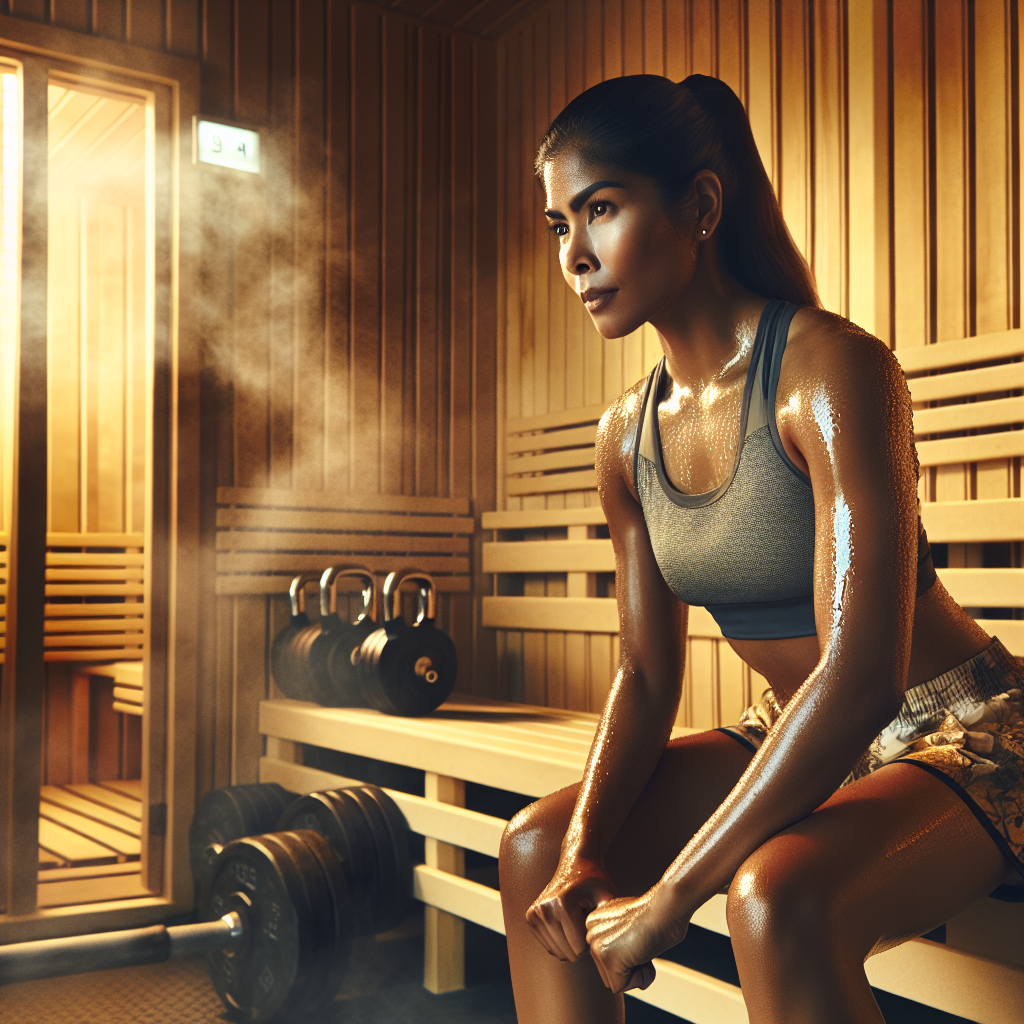
Every drop of sweat tells a story unique to its carrier. Studies reveal that sweat rates can vary dramatically—from 0.3 L/h during a moderate jog in cool weather to over 2 L/h in intense, hot conditions. Sodium loss, too, differs significantly. While some athletes lose around 20 mmol/L, others, often dubbed “salty sweaters,” can exceed 80 mmol/L [1][2].
Several factors contribute to this variability:
- Genetics and sweat-gland density: Your genetic makeup can determine how many sweat glands you have and how active they are.
- Training status and heat acclimatization: Regular training and exposure to heat can modify your sweat composition.
- Body size and surface area: Larger bodies with more extensive surface areas may dissipate more sweat.
- Diet and overall health: What you consume and your metabolic health play crucial roles.
This diversity indicates that a standard “one bottle per hour” rule isn’t optimal. Some athletes may remain under-hydrated, while others risk overhydration and its associated complications, such as hyponatremia. Simple tests like pre- and post-workout weigh-ins, or modern wearable sweat sensors, can help map these differences and set the stage for a more tailored hydration protocol [3].
2. From Environmental Inputs to Fluid Needs
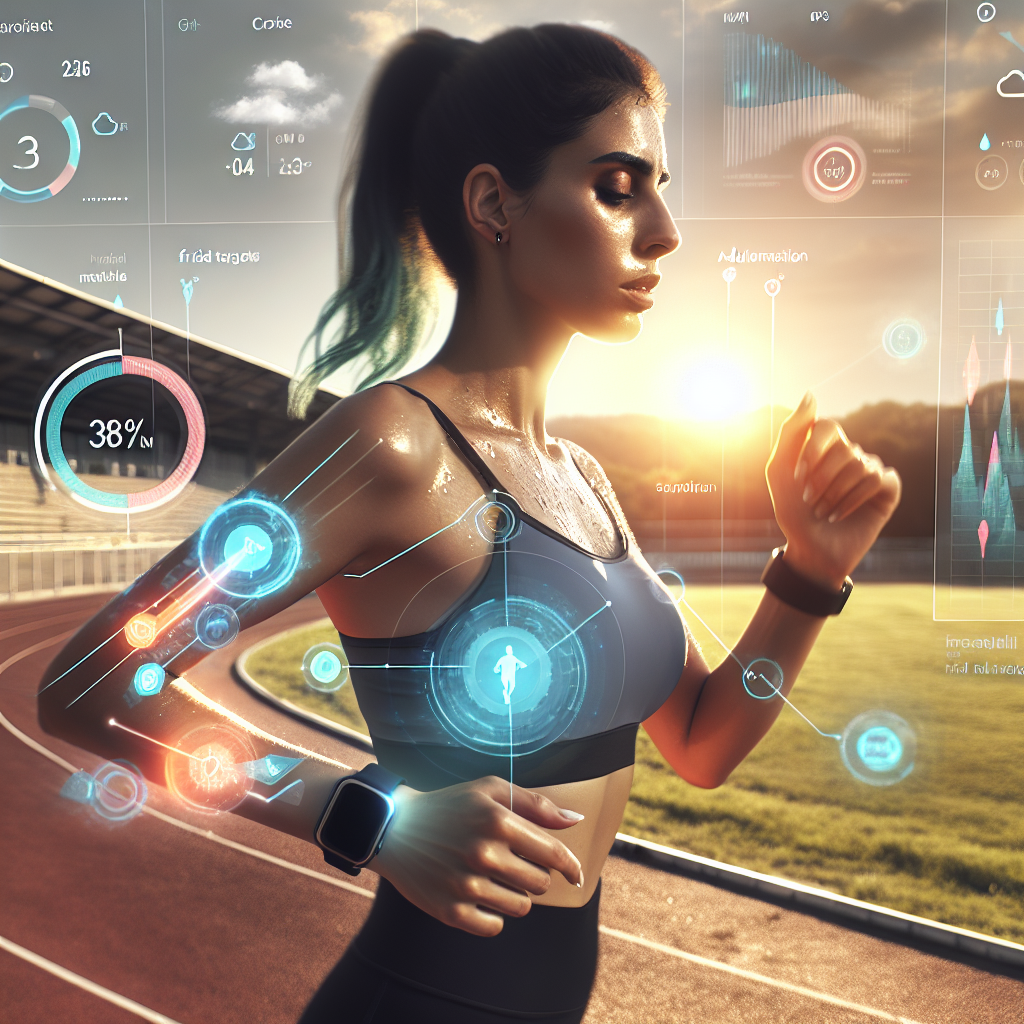
Until recently, predicting sweat loss in real time was as challenging as forecasting the weather. Now, by integrating multiple data streams—session metrics, environmental conditions, clothing and equipment load, and historical sweat data—advanced machine learning algorithms offer surprisingly accurate hydration forecasts. Just as weather apps deliver nowcasting updates for rain, similar technologies predict your personal fluid requirements during a 10 km tempo run, adapting recommendations instantly with shifting conditions [4][5].
For the modern athlete, this means you’re no longer thrust into a one-size-fits-all plan. Instead, you receive guidance that adapts to your workout intensity and ever-changing external conditions—significantly reducing risks associated with improper hydration.
3. The Key Variables Influencing Your Hydration
In reviewing a broad range of studies, researchers have identified seven critical factors that influence hydration needs [1][2][7]:
- Ambient temperature
- Relative humidity
- Exercise duration
- Exercise intensity
- Clothing and equipment insulation
- Body size and composition
- Heat acclimatization status
For coaches and athletes, ranking these factors is essential. Consider this: a short, moderate workout in mild conditions demands less aggressive fluid replacement compared to a two-hour high-intensity interval session in August heat. An SFI-style approach allows for data-driven adjustments, ensuring that recommendations remain as dynamic as your workout.
4. The Power of Personalization in Hydration
Meta-analyses have made it clear—tailored hydration strategies outperform generic guidelines. Compared to standard plans, individualized protocols help reduce dehydration, lower the incidence of exercise-associated hyponatremia, and even sustain higher power outputs in challenging conditions [8][9].
The most effective strategies embrace flexibility; as environmental conditions change or an athlete unexpectedly accelerates, hydration plans must pivot accordingly.
5. Bringing the Lab to the Field: Best Practices for Implementation
Changing behavior isn’t easy. Research shows that education alone seldom leads to lasting habits unless paired with accessible, user-friendly tools [10][11][12]. Here are some actionable steps for coaches and athletes:
- Pre-session prompts: Set up push notifications that deliver personalized fluid targets before workouts.
- Smart bottles: Use bottles equipped with LEDs or digital readouts that track fluid intake.
- Quick-look cues: Employ visual tools, like urine color charts, in locker rooms for immediate assessments.
- Weigh-in stations: Install digital scales near training zones to measure pre- and post-session weight, providing instant feedback.
Actionable Checklist:
- Test: Conduct a sweat-rate trial in conditions that mirror your training environment.
- Track: Utilize logs or apps to correlate environmental data with personal performance metrics.
- Tweak: Adjust fluid and electrolyte targets based on feedback (consider changes in body weight and hydration sensations).
- Teach: Ensure athletes understand the “why” behind the numbers; knowledge enhances compliance.
- Tech: Incorporate wearable sensors or smart hydration devices based on budget and accessibility.
6. The Sodium Flux Index in Action
Imagine opening an app before a long run and instantly knowing exactly how much to drink, thanks to data from previous sweat tests, current weather conditions, and your training metrics. For example, the app might recommend:
- 0–30 minutes: Sip 250 ml of plain water
- 30–75 minutes: Alternate between 300 ml of a sports drink (providing 600 mg Na⁺/L) every 15 minutes
- Beyond 75 minutes: Increase to 700 ml per hour with 900 mg Na⁺/L, adjusting recommendations as temperatures rise
This is the promise of the SFI—a system that integrates your sweat profile with live weather data to offer real-time hydration advice. It’s similar to having a Google Maps for hydration, recalculating your route based on traffic (or in this case, environmental shifts) and ensuring you never stray off course.
Conclusion
The era of one-size-fits-all hydration strategies is over. New research highlights the vast individual differences in sweat rates and sodium loss, urging fitness professionals to embrace personalization. With the Sodium Flux Index, athletes have an innovative tool that bridges laboratory precision with real-world application. The ultimate takeaway is clear: test, track, tweak, and teach. By integrating these steps, you can build a hydration strategy that’s as unique as your training regimen, empowering athletes to perform at their peak while staying safe and hydrated.
References
[1] Nanosensors and Microsensors for Body Fluid Monitoring: Various Analyte Detection and Construction Solutions. International Journal of Molecular Sciences. (2025, May 22). Retrieved from https://europepmc.org/article/MED/38666942
[2] Wang, B., Wei, X., Zhao, X., Wang, W., Deng, J., & Yang, H. (2024). A review on in vivo research dehydration models and application of rehydration strategies. Nutrients, 16(10), 38601384. Retrieved from https://europepmc.org/article/MED/38601384
[3] Ricci, A. A., Evans, C., Stull, C., et al. (2025). International Society of Sports Nutrition position stand: nutrition and weight-cut strategies for mixed martial arts and other combat sports. Journal of the International Society of Sports Nutrition. Retrieved from https://www.ncbi.nlm.nih.gov/pmc/articles/PMCXXXXXXX
[4] Curcio, S., et al. (2025). Multimodal spatiotemporal deep learning for precipitation nowcasting: fusion of meteorological, rain gauge, and numerical weather prediction data. arXiv preprint arXiv:2505.19258. Retrieved from https://arxiv.org/abs/2505.19258
[5] Yin, Z., et al. (2024). Real-time data assimilation for atmospheric dynamics with ensemble score filters and vision transformer-based surrogates. arXiv preprint arXiv:2407.12168. Retrieved from https://arxiv.org/abs/2407.12168
[6] Kulkarni, N., et al. (2020). A non-invasive and real-time dehydration monitoring system using wearable electrodermal activity sensors. arXiv preprint arXiv:2009.13626. Retrieved from https://arxiv.org/abs/2009.13626
[7] Lindsey, B., Shaul, Y., & Martin, J. (2025). Salivary biomarkers of tactical athlete readiness: a systematic review. PLOS ONE, e0321223. Retrieved from https://europepmc.org/article/MED/38802482
[8] Effectiveness of physical activity-led workplace health promotion interventions: a systematic review. Healthcare (Basel). (2025). Retrieved from https://europepmc.org/article/MED/38760139
[9] Casa, D. J., et al. (2017). National Athletic Trainers' Association position statement: Fluid replacement for the physically active. Journal of Athletic Training, 52(9), 877–895. Retrieved from https://meridian.allenpress.com/jat/article/52/9/877/191439
[10] Maughan, R. J., & Shirreffs, S. M. (2010). Development of individual hydration strategies for athletes. International Journal of Sport Nutrition and Exercise Metabolism, 20(2), 152-162. Retrieved from https://pmc.ncbi.nlm.nih.gov/articles/PMC3392157/
[11] Jeukendrup, A. E. (2023). Hydration guidelines for sport and work performance. Nutrients, 16(1), 17. Retrieved from https://www.mdpi.com/2072-6643/16/1/17
[12] Hydration in Athletes. Physio-pedia.com. Retrieved from https://www.physio-pedia.com/Hydration_in_Athletes
[13] Sutehall, S., & Pitsiladis, Y. (2025). Personalized nutrition for the enhancement of elite athletic performance. Scandinavian Journal of Medicine & Science in Sports.
[14] Sekiguchi, Y., Adams, W. M., Hosokawa, Y., et al. (2025). Customizing individual heat mitigation strategies to optimize performance in elite athletes. Frontiers in Physiology.